
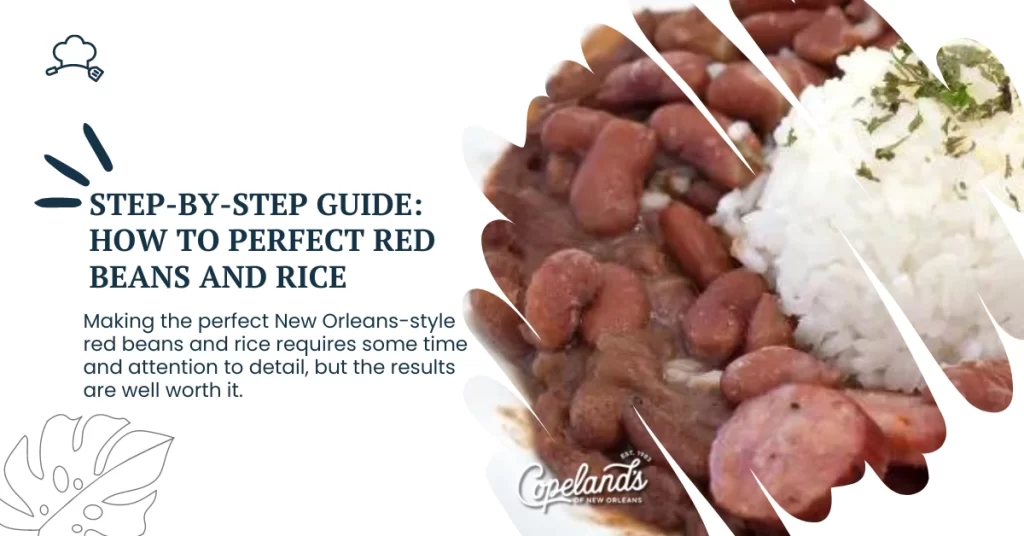
Red beans and rice is one of the most comforting and iconic dishes in Southern and Cajun cooking. Rich, hearty, and deeply flavorful, it’s a meal that tells a story—one rooted in community, tradition, and the art of slow cooking. Whether prepared for a family gathering, a weeknight dinner, or a special occasion, this classic dish delivers warmth in every bite.
Many restaurants known for Louisiana-inspired flavors, including Copeland’s Jacksonville, elevate red beans and rice with thoughtful seasonings, careful preparation, and time-honored techniques. But mastering this dish at home is absolutely possible, and once you understand the fundamentals, it becomes a go-to recipe you can make your own.
Below, we break down a clear, approachable step-by-step process to help you perfect red beans and rice every time.
Selecting the Best Ingredients
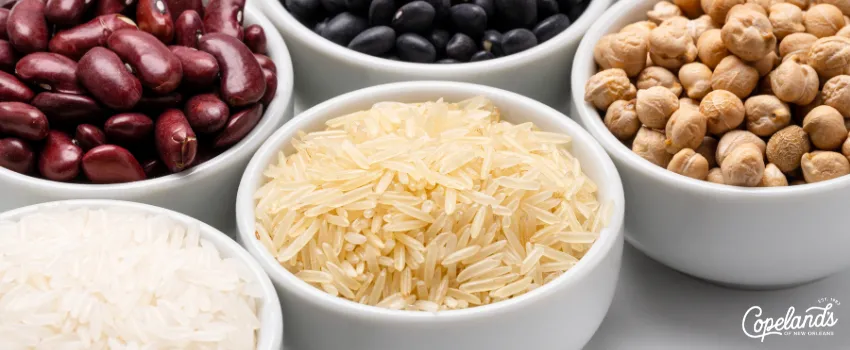
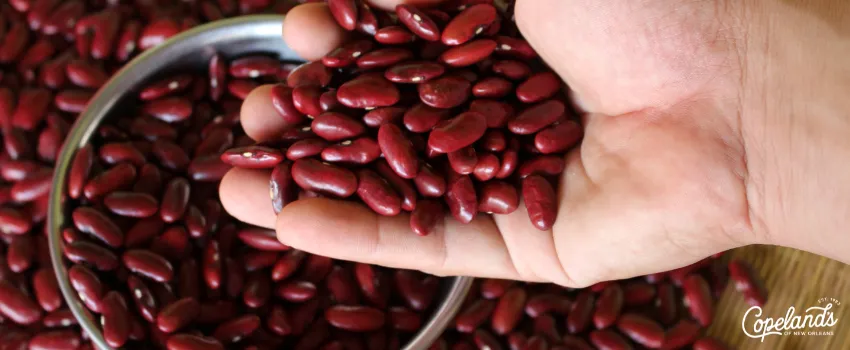
A great pot of red beans and rice starts with high-quality ingredients. Choosing dried red beans instead of canned ones allows for better texture and richer flavor. Dried beans absorb the aromatics during cooking, giving the final dish a depth you simply can’t achieve with pre-cooked options.
The classic “holy trinity” of Cajun cuisine—onions, celery, and bell peppers—forms the foundation of flavor. Smoked sausage or andouille adds richness and a touch of heat, while garlic, bay leaves, and spices round everything out.
Seasonings often include paprika, thyme, black pepper, and cayenne. While each cook adjusts the flavor to their preference, the best red beans strike a balance between smoky, savory, and mildly spicy.
If you want inspiration for how restaurants structure dishes for gatherings, the related post on dinner party planning offers insight into how flavor and presentation work together in a group setting.
Prepping Vegetables and Sausage
Before cooking the beans, take time to prep your vegetables and protein. Dicing the onions, celery, and bell peppers evenly ensures consistent cooking and a smoother texture throughout the dish. Thinly slicing smoked sausage allows the flavors to distribute evenly and brown beautifully in the pot.
Sautéing the vegetables first is essential. This step caramelizes their natural sugars, giving the dish a deeper base flavor. Browning the sausage separately enhances its smoky notes and prevents it from becoming overly soft during the long simmer.
When combined, the sautéed vegetables and browned sausage form a flavorful starting layer that adds complexity to the beans as they cook.
Building a Flavorful Base
Once your vegetables and sausage are ready, it’s time to start building the dish’s foundation. Add garlic, spices, and herbs directly to the cooked vegetables while they’re still warm. This helps release aromatic oils, giving the dish a fuller, more rounded flavor.
In traditional Cajun cooking, some chefs add a small amount of roux or tomato paste to deepen the color and intensify the flavor. This step is optional but can bring a rich, hearty note to the beans.
Next, add the rinsed dried red beans to the pot and stir to coat them in the aromatic mixture. This helps the beans absorb flavor right from the start rather than simply simmering in it.
Simmering Low and Slow
Red beans and rice is a dish built on patience. Once the beans, vegetables, and sausage are combined, add water or broth and bring everything to a gentle simmer. Cooking low and slow allows the beans to soften gradually, releasing starches that naturally thicken the broth into a creamy consistency.
Most pots of red beans take about two to three hours to fully cook. During this time, check the pot occasionally to stir gently, maintain a steady simmer, and add more liquid if needed.
The “creaminess” of red beans comes not from cream, but from breaking down some of the beans during cooking. Mash a small portion against the side of the pot and stir them back in to enhance this texture.
Achieving the Perfect Texture
Perfect red beans should be creamy yet structured—soft enough to melt on the tongue but not so mushy that they lose their identity. To reach this balance, pay attention to the final hour of cooking.
As the beans begin to soften, taste regularly for seasoning. Salt should be added toward the end to prevent the beans from toughening. Pepper, cayenne, and thyme can be adjusted based on how bold you want the flavor to be.
If the broth becomes too thick, add a bit of water or broth. If it’s too thin, mash more beans or simply continue simmering. The goal is a silky consistency that coats every grain of rice.
Preparing the Rice Properly
Rice may seem like a simple side, but it plays a crucial role in the dish. Fluffy, well-cooked white rice provides the perfect backdrop for the rich, hearty beans.
Use long-grain white rice for the best results. Rinse it thoroughly before cooking to remove excess starch, which prevents clumping. Cook according to package instructions or use a ratio of one part rice to two parts water.
Once ready, fluff gently with a fork. Rice should be tender but not sticky, creating a light base that balances the richness of the beans.
Serving the Dish the Traditional Way
Serving red beans and rice is about combining textures and flavors harmoniously. Ladle a generous portion of beans over the rice, making sure each serving includes bits of sausage and plenty of creamy broth.
Many cooks garnish the dish with green onions, parsley, or a splash of hot sauce. Others serve it alongside cornbread or crusty French bread to soak up the flavorful sauce.
Restaurants known for Cajun comfort food, like Copeland’s Jacksonville, often showcase red beans and rice as a signature offering because it embodies comfort, tradition, and heart—all in one bowl.
Should red beans be soaked before cooking?
While soaking red beans overnight can shorten the cooking time and improve texture, it’s not required. Unsoaked beans simply take a bit longer to cook but still achieve the same delicious results when simmered properly.
Conclusion
Perfecting red beans and rice comes down to patience, quality ingredients, and thoughtful preparation. From sautéing the holy trinity to seasoning carefully and simmering low and slow, every step contributes to a dish that’s rich, comforting, and deeply satisfying.
Whether you’re cooking for a crowd, planning a casual weeknight meal, or exploring Cajun techniques, this timeless recipe invites creativity and care. Pair it with fluffy rice, fresh herbs, and your favorite accompaniments for a dish that feels like home with every bite.