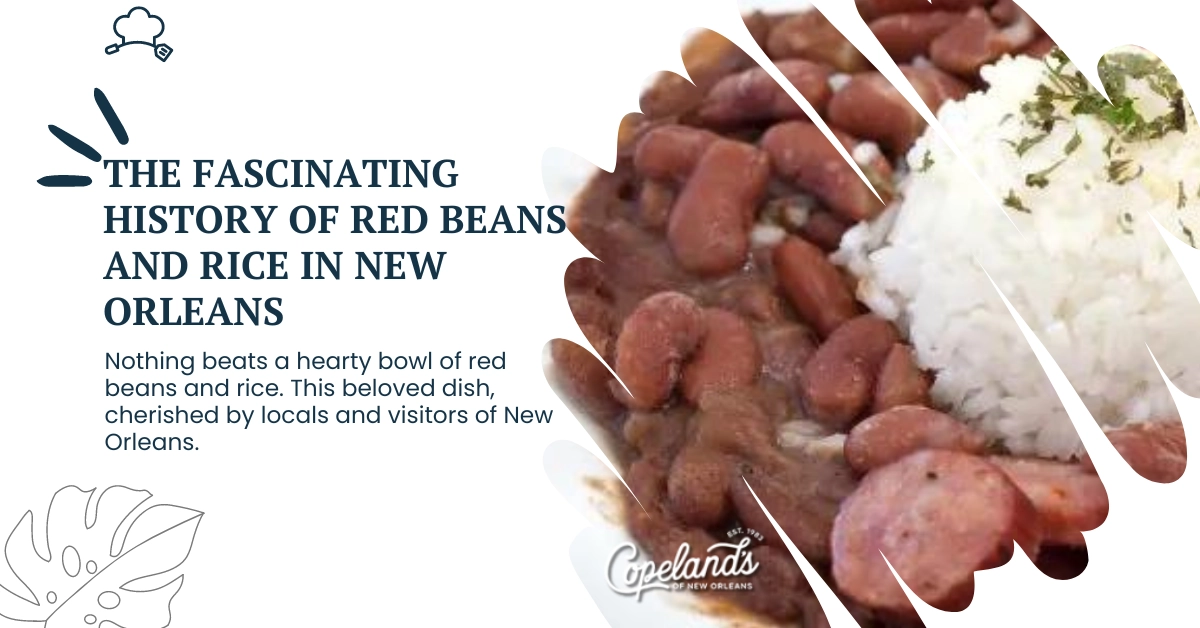
Nothing beats a hearty bowl of red beans and rice. This beloved dish, cherished by locals and visitors of New Orleans, embodies the city’s soulful cuisine. With its rich flavors, satisfying textures, and comforting blend of spices, the dish is like a hug in a bowl.
But have you ever wondered about the history of red beans and rice? Where did it come from? How did it become an integral part of New Orleans’ culinary heritage?
If you’re curious, this blog is for you. We’ll discuss the fascinating red beans and rice history, the enduring tradition of red beans in New Orleans, and why it’s a staple on Mondays.
History of Red Beans and Rice in New Orleans
The origins of red beans and rice in New Orleans can be traced back to its African, Spanish, and French influences. African culinary traditions brought the concept of slow-cooked beans as a nourishing staple, while Spanish and French colonizers introduced rice cultivation techniques. These diverse influences birthed the iconic dish we know and love today.
The timing of its introduction was fortunate since it became a staple during times of scarcity, such as the Great Depression. New Orleanians could rely on this comforting dish to provide a filling meal without spending too much. Its affordability and ability to stretch limited resources made it a practical choice for families in difficult times.
Throughout history, New Orleans red beans and rice has remained a symbol of resilience and perseverance. In times of struggle, such as natural disasters or economic hardships, neighbors would come together, pool their resources and share a pot. This communal act provided sustenance and fostered a sense of solidarity among the people in the city.
Traditional Recipes and Cooking Techniques
The vibrant history of red beans and rice contributed to its varied recipes and cooking techniques. From its origin until today, the dish has evolved and adapted, yet its traditional essence remains.
Generations of New Orleanians have passed down cherished family recipes, each with its unique twist on the classic dish. These recipes embody the spirit of tradition and the flavors that have been loved for decades. From the choice of seasoning to the secret ingredient, each recipe carries the core of New Orleans red beans and rice.
When it comes to cooking techniques, simmering red beans with aromatic spices and vegetables is a defining characteristic. Patiently cooked over low heat, the beans absorb the flavors of the seasonings, creating a rich and velvety texture. The result is a comforting, hearty dish that warms the body and the soul.
Moreover, the “holy trinity” of onions, bell peppers, and celery enhances the flavor of red beans and rice. These seemingly ordinary ingredients create the foundation for numerous traditional recipes that make New Orleans’ culinary heritage one of a kind. Combining these elements infuses the dish with a distinct and captivating flair.
The Tradition of Red Beans in New Orleans
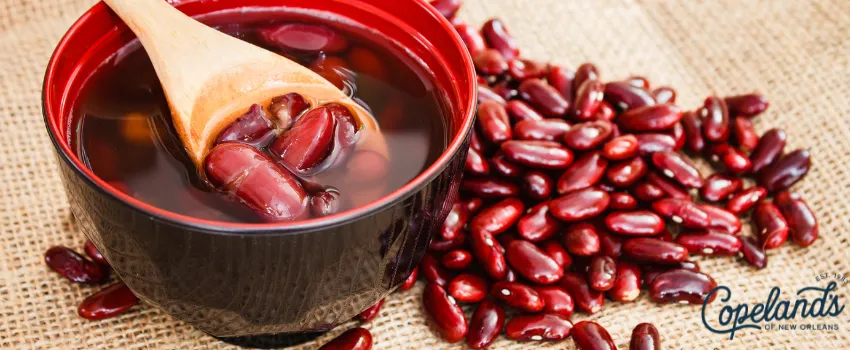
Now that we’ve discussed red beans and rice history and techniques, let’s explore the beloved custom of red beans in New Orleans.
While red beans and rice may be the most well-known dish, the love for this humble legume extends beyond it. In New Orleans, red beans are celebrated and cherished as a versatile ingredient that adds depth and flavor to numerous famous dishes.
A prime example is the classic Red Beans and Sausage. The beans are simmered with smoky sausage, aromatic vegetables, and spices, resulting in a satisfying dish.
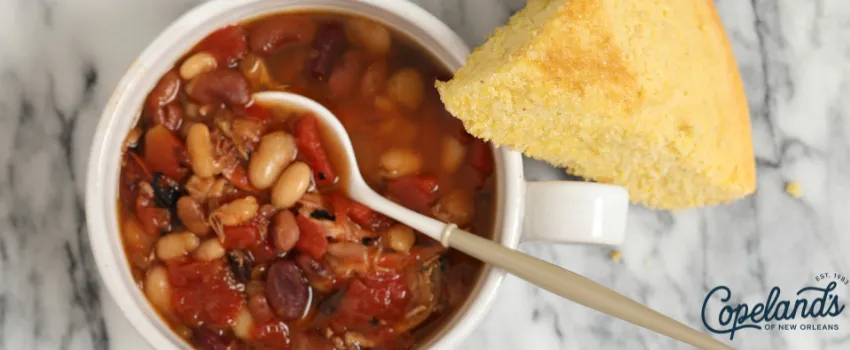
Another renowned dish featuring red beans is the Red Beans and Cornbread. This combination showcases the beans’ natural creaminess alongside the cornbread’s slightly sweet and crumbly texture. The two components complement each other perfectly, creating a delightful harmony of flavors and textures.
All in all, the humble red bean is not just a standalone creation. It is a testament to the culinary creativity that has made it an integral part of the city’s vibrant food culture.
Red Beans and Rice on Mondays in New Orleans
Red beans and rice in New Orleans on a Monday is a community staple. The custom of enjoying this comforting dish at the beginning of the week has deep roots that date back generations.
In the past, Mondays were often designated as laundry day in the Big Easy. The women of the household would spend hours scrubbing clothes by hand, using large metal tubs and washboards. With laundry being a labor-intensive task, cooking an elaborate meal was impractical.
Instead, a simple yet filling dish like red beans and rice became the go-to choice for Monday dinners. The slow-cooked beans could be left on the stove to simmer while the laundry was tended to, requiring minimal attention.
Over time, the tradition of having red beans and rice on Mondays in New Orleans became ingrained in the culinary culture. It evolved into a communal gathering, bringing friends and family together for a shared experience. Neighbors often invite each other over, fostering camaraderie and strengthening community bonds.
Present-Day Red Beans and Rice
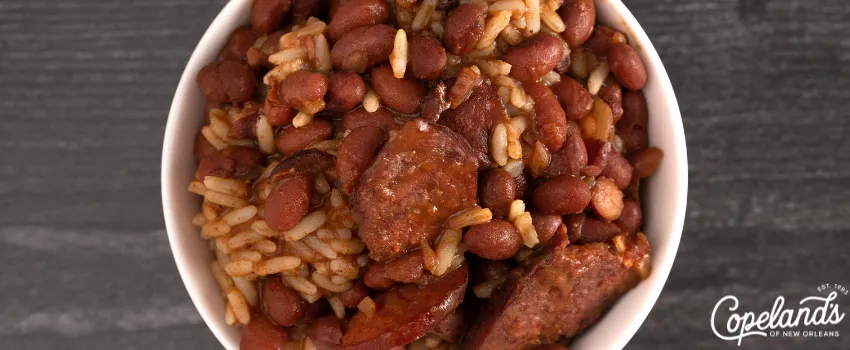
Today, red beans and rice continue to hold a prominent place in the culinary landscape of New Orleans. While rooted in tradition, this treasured dish has also evolved and adapted to reflect modern tastes and preferences.
New Orleans chefs and home cooks alike have put their twists on the classic recipe, incorporating innovative ingredients and techniques. Chefs have elevated the dish with high-quality ingredients, unique spices, and creative twists like smoked ham hocks or Creole seasoning.
Moreover, the dish’s popularity extends beyond New Orleans’ borders. It has become an iconic symbol of Louisiana’s culinary heritage, with people from all over the world seeking it out. From food fairs to online recipes, the dish has gained recognition and admiration for its taste, versatility, and nostalgia. It continues to bring people together, fostering a sense of community around the shared enjoyment of good food.
The Bottom Line
The history of red beans and rice is a captivating tale worth knowing. From its diverse origins to its enduring tradition, the dish holds a special place in the hearts of locals and visitors. It is a testament to the power of simple ingredients to create a culinary masterpiece and define a city’s dynamic food scene.
So, next time you savor a bowl of red beans and rice, remember the rich history and the shared community this adored dish represents.
Delight in New Orleans’ celebrated food history at Copelands of New Orleans.
If you want to experience authentic New Orleans cuisine, head to Copelands of New Orleans. With more than two decades of experience, we have mastered the art of creating mouthwatering dishes that capture the city’s spirit. Treat yourself to an unforgettable culinary adventure by visiting us today!