
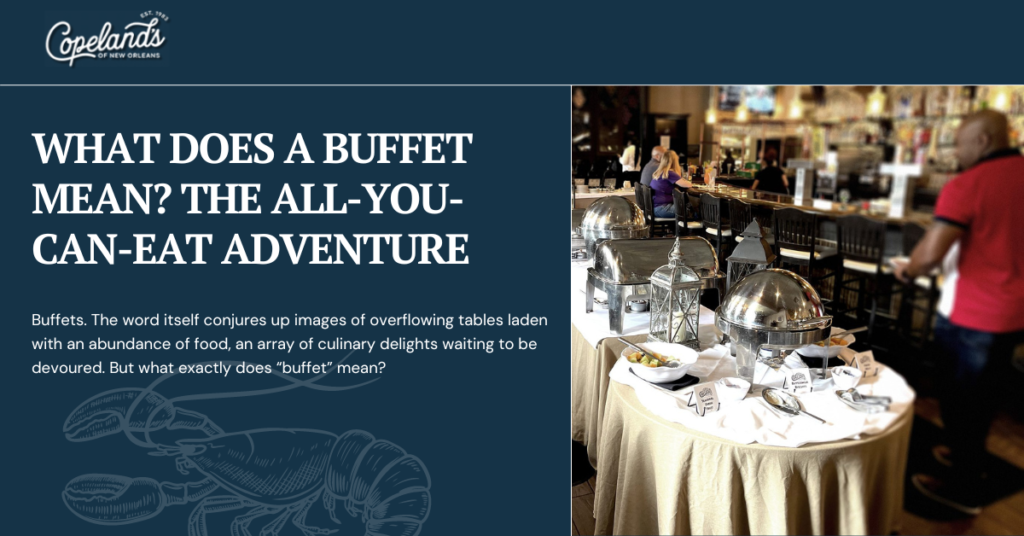
Buffets instantly make most people think of long tables piled high with food, endless choices, and the freedom to go back for “just one more plate.”
Yet, a buffet is much more than a giant spread of comfort food. It is a style of dining that blends convenience, variety, and social connection in one place.
Whether you are at a hotel breakfast, a wedding reception, or a weekend brunch in Jacksonville, understanding what a buffet really means can help you enjoy the experience more, plan events better, and avoid the usual pitfalls that come with “all you can eat.”
The Meaning of “Buffet”
Buffets are more than just overflowing troughs of fried chicken and mashed potatoes. The term “buffet” includes a broad range of self service dining experiences.
From elegant spreads at high end restaurants to casual lunchtime stations at office cafeterias, buffets offer a convenient and customizable way to enjoy a meal.
At its core, a buffet is a service style where guests serve themselves from a variety of dishes laid out on a central table or station.
You choose what you want, how much you want, and often in what order you want to eat it.
Tracing the Origins of the Buffet
The Evolution of Buffets
The buffet’s history stretches back centuries. In the Middle Ages, elaborate sideboards laden with food were a staple of royal feasts. Guests helped themselves to an array of dishes, a clear precursor to the self service style we know today.
By the 19th century, French restaurants introduced “service à la française,” where pre plated courses were displayed on a sideboard for guests to choose from.
Over time, this evolved into the modern buffet, where diners serve themselves directly from display tables.
Global Variations on the Buffet Theme
Buffets exist in many forms worldwide, each reflecting local cultures and culinary traditions. In China, dim sum involves a procession of tiny steamed buns and dumplings served from rolling carts so diners can build a personalized meal.
In Brazil, the churrascaria experience features an endless parade of grilled meats carved tableside, a dream for meat lovers that still follows the spirit of buffet style abundance.
Why We Love Buffets
Visual Appeal and Culinary Exploration
The appeal of buffets is undeniable. An abundant spread of food creates a visually stunning display, a feast for the eyes before the first bite is even taken.
Buffets give diners the chance to sample multiple dishes, combine flavors, and uncover exciting new favorites in a single visit.
Freedom of Choice
Buffets cater to different palates and dietary needs. With a wide selection of dishes, picky eaters and those with allergies or restrictions can usually find something that works for them.
Many modern buffets also highlight vegetarian, vegan, or gluten free dishes so guests feel included instead of limited.
Conversation Starters and Shared Experiences
Buffets are naturally social. Gathering around a table full of shared choices encourages conversation and connection. Sharing plates, commenting on favorites, and walking the buffet line together all create a sense of camaraderie.
That is why buffets work so well for family gatherings, work lunches, and casual celebrations.
Pros and Cons of Buffet Dining
Buffets offer a lot of perks, but they are not perfect for every situation.
Pros:
- Variety for different tastes and dietary needs
- Flexibility in portion sizes
- Easy service for large groups
- Casual, social atmosphere
Cons:
- Temptation to overeat
- Possible congestion in busy lines
- More potential for food waste if guests overload plates
- Less structured pacing than a plated meal
Understanding both sides helps you decide when buffet service fits your plans and when another format might work better.
Essential Elements for a Successful Spread
Planning the Perfect Menu
Creating a successful buffet requires thoughtful planning. The menu should balance variety and crowd pleasers.
Offer a mix of hot and cold dishes, options that meet different dietary requirements, and a good range of appetizers, main courses, and desserts.
Smaller, bite-sized portions encourage guests to try more items without feeling overwhelmed.
From Appetizers to Desserts
Structuring the buffet layout is vital to a smooth flow. Arrange food in a logical order:
- Appetizers and salads
- Sides and main courses
- Desserts
Make sure there is enough space for guests to move comfortably, and place plates, utensils, and napkins where they are easy to reach without causing bottlenecks.
Presentation Is Key
Presentation plays a big role. Attractive platters and serving dishes, colorful garnishes, and neat arrangements make the table inviting.
Simultaneously, the setup must be practical. Chafing dishes should keep hot foods warm, while cold platters should sit on ice or in chilled units to keep ingredients fresh and safe.
Buffet Etiquette
Queuing Courteously and Avoiding Crowds
Good buffet etiquette keeps the experience pleasant for everyone. Be patient in line, move forward steadily, and avoid cutting or crowding. If a particular area looks jammed, you can always circle back later for a second serving.
Selecting Moderate Portions for Maximum Enjoyment
The abundance on display can make it tempting to overload your plate. Instead, take small portions of several dishes first. This allows you to taste widely, return for favorites, and avoid the discomfort of overeating.
Sharing the Bounty and Avoiding Waste
Buffet service is about sharing. Take only what you can comfortably eat, and let others have their chance at popular dishes. Since most buffets let you return for seconds, there is no need to build a mountain of food on a single plate.
Common Mistakes to Avoid
Savoring the Experience, Not Stuffing Yourself
Buffets are not a contest. Take your time, chew thoroughly, and pay attention to flavor. You can always go back for more, but you cannot undo the feeling of having eaten too much.
Sharing the Space and Avoiding Spoilage
Do not hover over dishes or block others while deciding what to take. Use the provided serving utensils instead of your hands to keep food safe and appetizing.
This simple courtesy protects both freshness and hygiene.
Maintaining Cleanliness and Respecting the Environment
If you spill or drop food, handle it promptly. Use napkins to clean minor messes and let a staff member know if something significant needs attention.
Keeping stations clean and tidy helps everyone enjoy the meal and respects the shared space.
A World of Culinary Exploration
The Classic Buffet
The classic buffet is familiar for a reason. Picture carving stations with juicy roasts, trays of hot and cold dishes, and a wide selection of desserts.
It is a reliable choice for families, large gatherings, and anyone who likes seeing many different options in one place.
The Breakfast Buffet
Breakfast buffets are a favorite in hotels and at special events. Common items include scrambled eggs, crispy bacon, pancakes, waffles, fresh fruit, and pastries.
Many modern setups also offer yogurt parfaits, granola, and fresh juices for guests who prefer a lighter or more health-focused start.
The Brunch Buffet
Brunch buffets combine the best of breakfast and lunch. You might see waffles and syrup next to eggs Benedict, build your own omelets, quiches, salads, and small lunch style plates.
It is a relaxed way to spend a weekend morning or early afternoon with friends and family.
The Themed Buffet
Themed buffets turn the meal into a mini food tour. You might “travel” to Italy with antipasti, pasta, and pizza, or taste your way through Asia with curries, stir fries, noodles, and dumplings. Themes make buffets especially fun for events and special promotions.
The Dessert Buffet
A dessert buffet is pure indulgence, with rows of cakes, pies, mousses, puddings, and bite-sized candy.
It works beautifully as the grand finale of a celebration and gives guests a chance to sample multiple candy instead of choosing just one.
The Rise of Specialized Buffets
The Vegan Buffet
Vegan buffets highlight how satisfying plant-based food can be. Think lentil stews, roasted vegetables, grain salads, jackfruit tacos, dairy-free desserts, and more.
These spreads prove that you do not need meat or dairy to enjoy a full and flavorful plate.
The Gluten Free Buffet
For guests with celiac disease or gluten sensitivities, a clearly labeled gluten-free buffet can be a relief.
These offerings often include gluten-free pasta, bread, and pizzas made with alternative flours, and desserts created with ingredients like almond or coconut flour so guests can eat without worry.
The Kid Friendly Buffet
Kid friendly buffets focus on familiar, approachable foods in smaller portions. Items like chicken nuggets, mini pizzas, mac and cheese, fries, and fruit skewers help satisfy younger guests. Many also blend in healthier options so kids can explore new foods alongside their favorites.
Exploring Alternative Buffet Experiences
The Casino Buffet
Casino buffets are known for size and variety. Guests can move from prime rib and seafood to salads, Asian dishes, and dessert bars in one pass. For players, it is a convenient way to recharge between games.
The Wedding Buffet
Wedding buffets give couples flexibility. They can mix carving stations, pasta bars, salad tables, and dessert displays to match their theme and guest list. If you are planning a celebration at a restaurant in Jacksonville that hosts private events, a buffet style setup can be an easy way to keep guests mingling and well fed.
The Work Function Buffet
For corporate events, buffets keep the atmosphere relaxed and efficient. Breakfast buffets work well for early meetings, while finger food and small plate buffets fit networking events and after work gatherings.
The Holiday Buffet
Holiday buffets make Thanksgiving, Christmas, and other seasonal celebrations easier to host. Classic dishes like turkey, ham, mashed potatoes, vegetables, and festive desserts appear in one organized spread so everyone can serve themselves exactly what they want.
The Potluck Buffet
Potluck buffets rely on everyone contributing a dish. The result is a deeply personal, community driven spread filled with family recipes and favorites. It is an ideal format for casual parties and neighborhood gatherings.
When Should You Choose a Buffet for Your Event?
Buffet service is especially helpful when:
- You are serving a large group with different tastes
- You want guests to mingle instead of staying seated through multiple plated courses
- You need a format that can work within a wide range of budgets
- You prefer a relaxed, flexible timeline instead of a fixed schedule for each course
On the other hand, if you need very precise timing, highly formal service, or strict portion control, a plated meal or family-style service might be a better fit.
The Future of Buffets
Interactive Buffets
Interactive elements are reshaping buffets. Live cooking stations let guests watch their food being prepared and customize ingredients at stir fry, pasta, taco, or omelet stations. This approach turns the buffet into an experience rather than just a line of chafing dishes.
Technology Integration
Technology is starting to support buffet operations behind the scenes and at the guest level. Some setups use mobile apps for preordering or payment, while touchscreens can share ingredient lists, nutrition facts, and allergen information at stations to help guests make informed choices.
Sustainable Practices
Sustainability is becoming more important. Many buffets are:
- Reducing food waste through smaller pan sizes and refilling more often
- Donating safe leftovers to local organizations when possible
- Using compostable or recyclable plates and utensils
- Highlighting locally sourced or seasonal ingredients
These changes help buffets remain an enjoyable option that also respects environmental concerns.
Buffet Inspiration in Jacksonville, FL
If you are in Jacksonville and dreaming about a lively, abundant meal with plenty of variety, a buffet style setup can be the perfect fit for family celebrations, office gatherings, or private parties.
Whether you lean toward Cajun and Creole flavors, Southern comfort classics, or a more global mix of dishes, the right restaurant can help you design a spread that feels generous without losing quality or hospitality.
Frequently Asked Questions
What are the three types of buffets?
This document describes three main types of buffets: sit down buffets, standing buffets, and display buffets.
Sit down buffets allow guests to serve themselves, then sit to eat with table service. Standing buffets are meant to be eaten while standing and avoid foods that require knives.
Display buffets focus more on visual presentation and may be used for receptions or events where guests graze over time rather than sit for a full meal.
Conclusion: The Enduring Appeal of Buffets
Buffets have lasted through centuries of changing dining trends because they offer something people consistently love: choice, abundance, and shared experiences.
They turn a single meal into a mini culinary adventure where you can taste widely, eat at your own pace, and enjoy the company around you.
From classic hotel spreads and wedding receptions to creative themed and specialized buffets, this dining style adapts easily to different occasions and dietary needs.
The next time you are planning an event or simply craving variety on your plate, consider a buffet. With thoughtful planning and good etiquette, it can be one of the most relaxed and rewarding ways to enjoy great food and great company.


