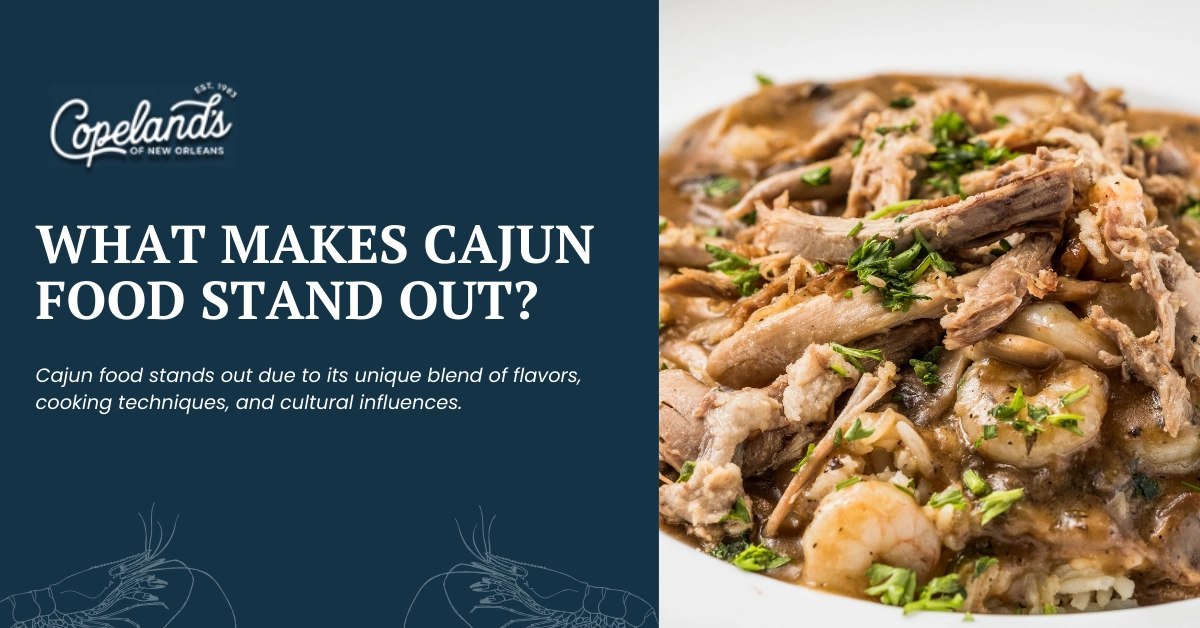
What Makes Cajun Food Stand Out? A Flavor Guide For Jacksonville Food Lovers

Table of Contents

Cajun food has a way of stopping you mid bite. The heat, the layers of seasoning, the way everything tastes like it has been slowly cooked and loved for hours makes it feel more like a story than a meal.

That is exactly why so many people in Jacksonville fall in love with Cajun dishes the first time they try them.

Rooted in history and shaped by many cultures, Cajun cuisine is bold, rustic, and incredibly comforting.

Whether you are digging into a bowl of gumbo or savoring a plate of jambalaya, you are tasting a long tradition of resourceful cooking and big flavor.

Below are the key elements that make Cajun food stand out and why it is such a perfect fit for hungry diners in Jacksonville.


Key Factors That Make Cajun Food Unique

Before you dive into your next bowl of gumbo, it helps to know what makes Cajun cooking different from other styles of Southern food. These core traits show up again and again in classic Cajun dishes.

1. Bold And Spicy Flavors

Cajun food is famous for its punchy flavors. Seasonings like cayenne pepper, paprika, garlic, onion, black pepper, and dried herbs are used generously to build a deep, robust taste.

It is not just about making food hot. It is about warming you from the inside out with layers of spice that hit in waves instead of all at once.

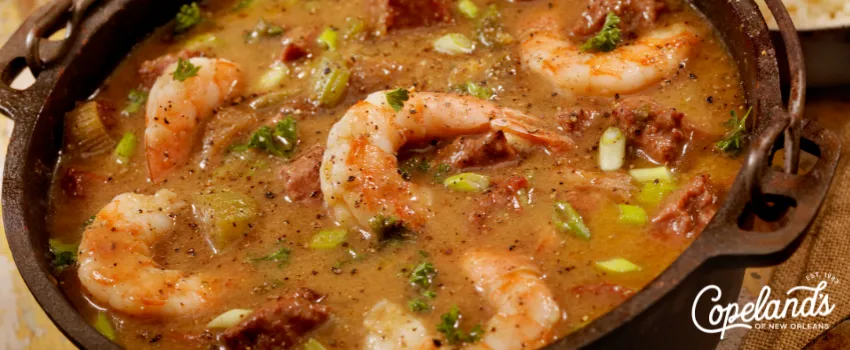
That is why even simple dishes like red beans and rice or a pot of chicken and sausage gumbo taste so complex. Every spoonful has heat, earthiness, and aroma working together.

2. The Holy Trinity

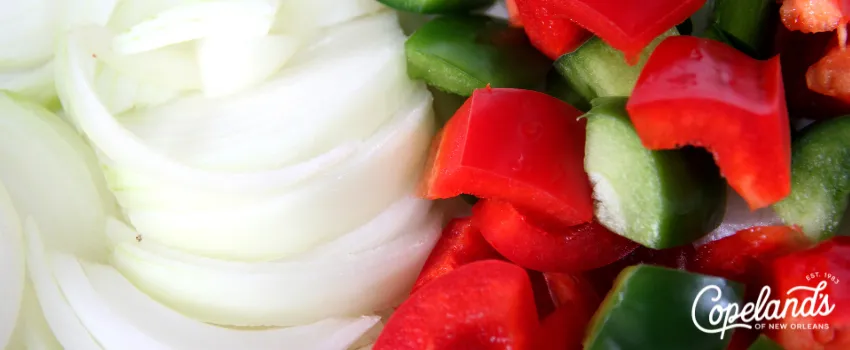
The “holy trinity” of Cajun cooking is a mix of onions, bell peppers, and celery. These three vegetables are sautéed together at the start of many recipes and form the flavor base for gumbos, étouffées, jambalaya, and more.

Just like French cooking leans on mirepoix, the holy trinity gives Cajun dishes their signature depth. Once those vegetables start to soften and caramelize in the pot, you already know the final dish will be packed with flavor.

3. Roux

Roux is another Cajun essential. It is made by slowly cooking flour and fat together until it reaches a specific color and flavor. The longer it cooks, the darker and nuttier it becomes.

In Cajun food, a dark roux is used to thicken gumbos and stews while also adding a toasty, almost smoky note you can taste in every bite. Making a roux takes patience. You have to stand over the pot and stir, but the rich flavor payoff is worth the effort.

4. One Pot Dishes

Many Cajun favorites are hearty one pot meals. Think gumbo, jambalaya, and various rice dishes that bring meat, seafood, vegetables, stock, and spices together in the same pot.

Cooking everything slowly in one pot lets the flavors meld and deepen over time. It is practical, comforting, and perfect for feeding a crowd.

These dishes were built for family tables, church suppers, and community gatherings, and that sense of togetherness still comes through today.

5. Seafood

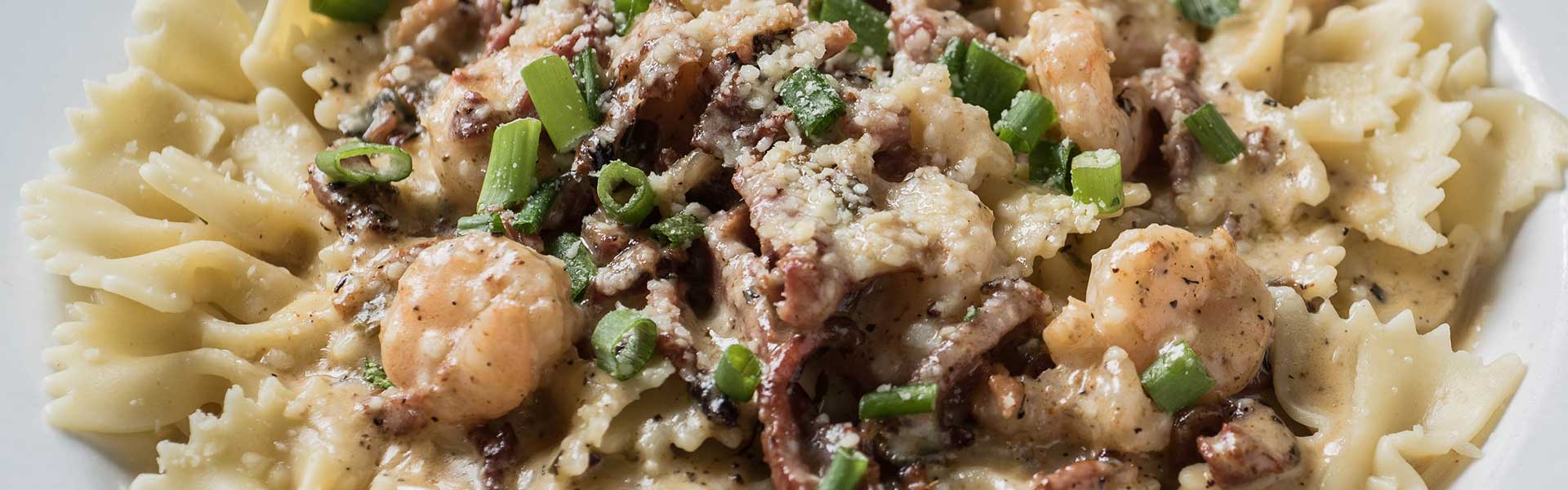
Cajun food is closely tied to the Gulf Coast, so fresh seafood shows up everywhere. Shrimp, crawfish, crab, oysters, and catfish all play starring roles in Cajun recipes.

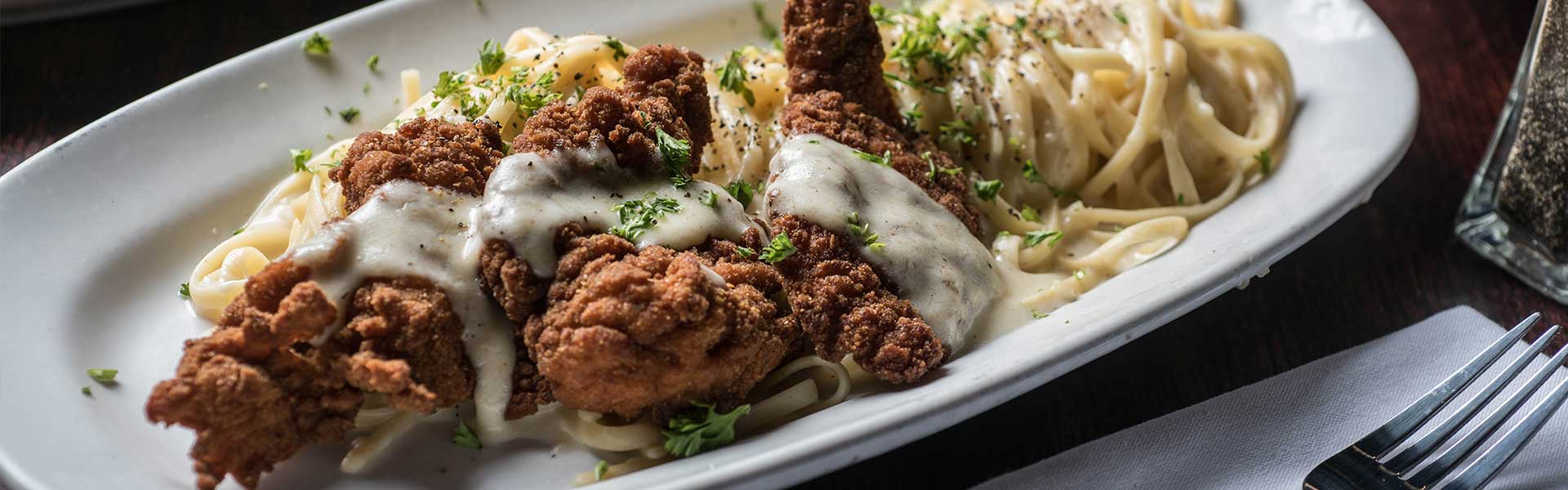
Crawfish étouffée, shrimp creole, fried catfish, and seafood gumbo are just a few examples of how Cajun cooks turn local catches into unforgettable meals.

The seasoning is bold, but it always leaves room for the natural sweetness of the seafood to shine.

6. Cultural Influences

Cajun cuisine is a true fusion of different culinary traditions. It blends elements from French, African, Spanish, and Native American cooking into something all its own.

You can taste those influences in the spices used, in the importance of rice and beans, in dishes that rely on stews and long simmering times, and in the love for local ingredients.

That mix of cultures is a big part of what makes Cajun food so rich and interesting.

7. Family And Community Tradition

Cajun food is not just about recipes. It is about rituals, stories, and gatherings. Many dishes have been passed down through families for generations, with each cook adding their own small twist.

Big pots of gumbo, jambalaya, or red beans and rice are made to be shared.

Cooking becomes a social event, and that spirit of hospitality and community is a huge part of why Cajun food feels so special.


Cajun Food Versus Other Southern And Creole Dishes

Cajun cuisine is often mentioned alongside other Southern and Creole dishes, but it has its own personality.

Creole food is usually described as more “city” style, with tomatoes, cream sauces, and European techniques showing up more often. Cajun food, on the other hand, grew out of rural, country cooking.

It focuses on making the most of what is available, relying on one pot meals, smoked meats, and big batches that can feed a crowd.

Traditional Southern food might lean heavily on fried chicken, biscuits, and sweet tea. Cajun food leans into dark roux, rice-based dishes, and spices that bring serious depth.

All of these cuisines share some ingredients and techniques, but Cajun cooking stands out for its rustic heartiness and bold seasoning.


Enjoying Cajun Food At A Restaurant In Jacksonville

You do not have to drive to Louisiana to enjoy authentic Cajun flavors. Jacksonville has embraced New Orleans style cooking, which means you can enjoy gumbo, étouffée, and other classics right here in town.

Whether you are planning a casual dinner, a family celebration, or a catered event, a restaurant in Jacksonville that specializes in New Orleans-style dishes makes it simple to bring Cajun flavor to your table.

From spicy jambalaya to creamy red beans and rice, these menus let you experience the essence of Cajun comfort food without leaving the city.

It is also a great way to introduce friends and family to Cajun cooking. Sharing platters, sampler plates, and big bowls of hearty food turns a normal meal into a mini trip to Louisiana.


Frequently Asked Questions

Is Cajun French Or African?

The Cajuns trace their heritage directly to the Acadian French, who were expelled from Nova Scotia by the English and eventually settled in south Louisiana.

Over time, that French foundation blended with strong influences from African, Spanish, Native American, and Caribbean communities. Creole culture reflects an even broader mix, including French, Spanish, African, Italian, and others who made New Orleans home.

So Cajun food is rooted in French tradition, but it carries flavors and techniques from multiple cultures, including African cooking.


Conclusion

Cajun food stands out because it is bold, soulful, and built on generations of tradition.

From the holy trinity and dark roux to one pot meals packed with seafood, every element is designed to deliver big flavor and serious comfort. It is food that tells a story, honors many cultures, and brings people together around the table.

If you are in Jacksonville and craving those authentic Cajun tastes, Copeland’s of New Orleans is ready to welcome you.

From spicy jambalaya to rich gumbo and seafood favorites, we bring the heart of Cajun cooking straight to your plate with warm, Southern style hospitality.

Visit us soon and let your taste buds take a trip to New Orleans without leaving Jacksonville.

Facebook
Twitter
LinkedIn