
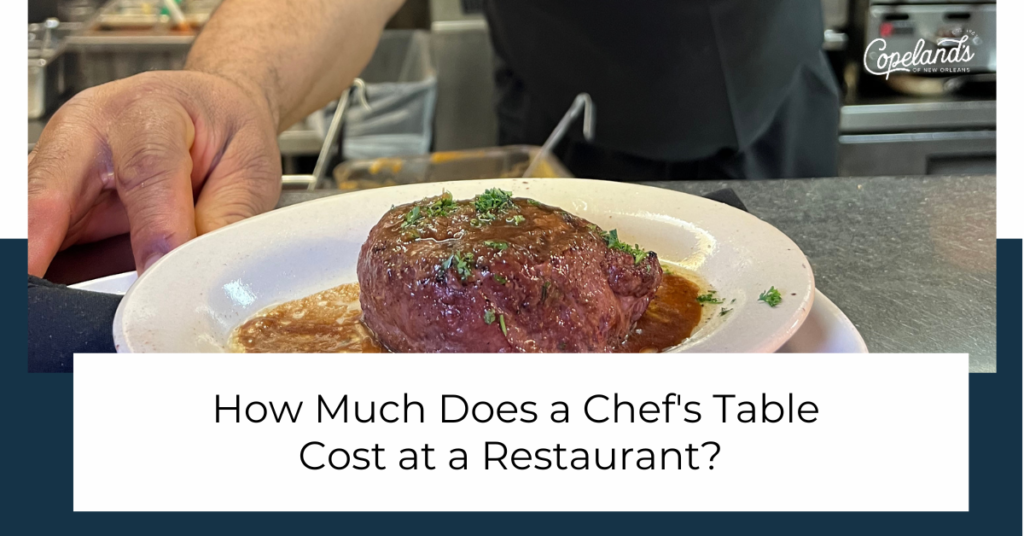
Dining at a chef’s table is unlike any other restaurant experience. Instead of simply ordering from a menu and enjoying your meal at a standard table, a chef’s table places you right in the center of the action—close to the kitchen, the chefs, and the creative process.
It’s an intimate, immersive way to enjoy food, and for many people, it becomes one of the most memorable dining experiences they’ll ever have.
But with that level of exclusivity comes the question most diners wonder: How much does a chef’s table actually cost? Prices vary widely, and understanding what goes into the cost can help you decide whether this unique experience is right for your budget and your expectations.
Below, we break down the key factors that influence pricing, what to expect from the menu, and how to determine the value of a chef’s table meal.
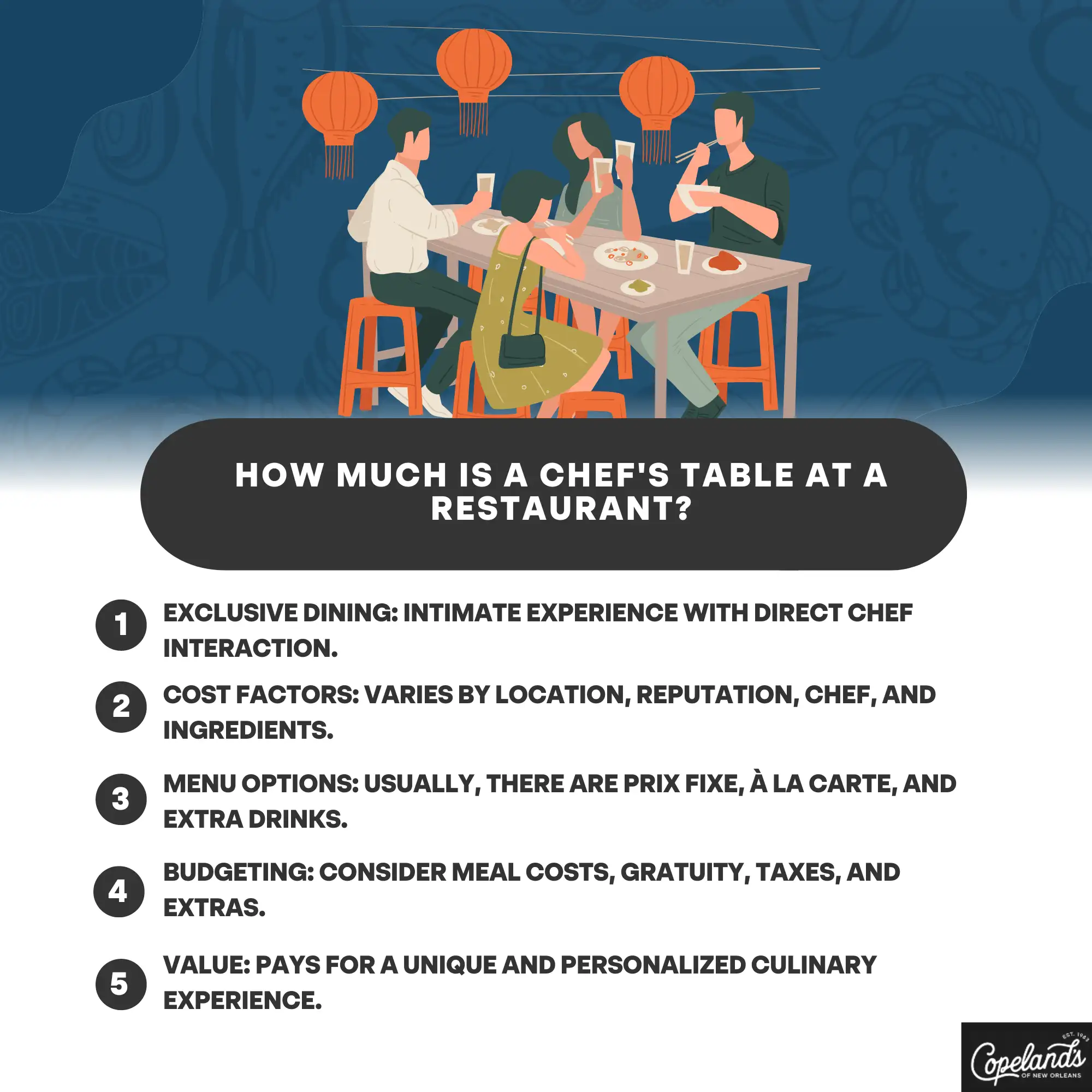
Exclusive Dining
A chef’s table is designed to feel special. Rather than being seated in the main dining room, guests may be positioned near the kitchen, inside a private dining space, or even at a counter where the chefs prepare food directly in front of them. This exclusivity is part of the appeal—and part of the cost.
Access to the chef’s time is a significant factor. In many restaurants, the executive chef personally oversees the meal or even prepares dishes tableside. This level of attention limits the number of reservations available, often reducing seating to just a handful of guests per night.
In places inspired by the culinary style of Copeland’s Jacksonville, the chef’s table often highlights signature Southern or Creole flavors, offering dishes not found on the regular menu. These exclusive items, paired with behind-the-scenes access, help justify a higher price point.
What diners also pay for is the atmosphere—an environment that blends entertainment, education, and dining. Guests often get to interact directly with chefs, ask questions, and learn about the preparation techniques used throughout the evening.
Cost Factors
Chef’s table pricing varies dramatically depending on where the restaurant is located, the chef’s reputation, the complexity of the meal, and overall demand. In major metropolitan hubs or culinary destinations, the price tends to be higher, while in other regions it may be more accessible.
Several key factors influence the overall cost:
- Number of Courses Many chef’s tables feature tasting menus with anywhere from five to twelve courses. More courses typically mean a higher price, especially if they involve premium or specialty ingredients.
- Ingredient Quality Menus often feature high-end items such as prime seafood, aged meats, and seasonal produce. Many restaurants also rely on locally sourced ingredients, which may increase cost but provide fresher, more flavorful dishes.
- Wine or Cocktail Pairings Pairings can add significantly to the total. Some restaurants include pairings automatically, while others list them as an optional upgrade.
- Chef Prestige A meal prepared by a nationally recognized chef will naturally cost more. However, even local chefs with strong reputations bring immense value through their creativity and culinary skill.
- Group Size and Reservations Some chef’s tables charge a flat fee for the entire table, while others charge per person. Limited seating may also drive prices higher due to exclusivity.
In dining-focused regions such as Jacksonville, FL, the cost can vary widely, but many guests find that the experience far exceeds what they would expect from a typical restaurant reservation.
Menu Options
Menus at a chef’s table are typically designed to highlight the chef’s creativity, seasonal ingredients, and signature techniques. While traditional menus give diners a range of choices, a chef’s table often provides a set tasting menu curated specifically for the evening.
These menus often include:
- Small bites that introduce the flavor theme
- Seafood courses featuring fresh catch or specialty items
- Meat dishes showcasing complex seasoning or slow-cooking techniques
- Palate cleansers and dessert courses • Optional wine, champagne, or cocktail pairings
Chefs often adjust their offerings based on what ingredients are at peak freshness. Inspiration may also come from iconic Southern, Cajun, or Creole dishes, creating a unique blend of comfort and innovation.
To explore how restaurants structure elevated dining options, browsing the offerings on the Menus page can provide helpful context and inspiration.
Another useful reference for special-occasion meals can be found in topics like dinner party planning, which highlight how restaurants tailor dining experiences for unique events.
Budgeting
While chef’s table experiences are luxurious, planning ahead ensures the cost doesn’t catch diners off guard. Budgeting is not only about determining whether you can afford the meal but also deciding what type of experience you want.
Here are a few budgeting tips:
Consider whether you want beverage pairings. Pairings may add a substantial amount to the final total, but they can also enhance the experience when selected thoughtfully.
Plan for taxes, gratuities, and service fees. Many restaurants include these fees automatically for chef’s table reservations due to the personalized service required.
Choose weekday or early-evening reservations when available. Some establishments offer lower pricing during non-peak times.
Communicate dietary restrictions in advance. Many chef’s table menus are fixed, but chefs are often happy to modify items with notice.
Chef’s table dining is meant to be immersive, so planning ahead ensures you enjoy the experience without stressing about the final bill.
Value
One of the most common questions diners ask is whether a chef’s table is truly worth the cost. The answer depends on what you value most in a dining experience.
A chef’s table offers:
• Personal interaction with chefs
• Behind-the-scenes insight into the cooking process
• Access to exclusive or experimental dishes
• A meal crafted specifically for your group • A memorable, story-worthy experience
For food lovers, the value often goes far beyond the price. The education, entertainment, and culinary artistry combine to create something far more meaningful than a standard night out.
Is a chef’s table more expensive than a regular meal?
Yes. Because of the limited seating, personalized service, and multi-course menu, a chef’s table typically costs significantly more than regular restaurant dining. The increased price reflects the exclusivity and craftsmanship involved.
Conclusion
A chef’s table experience is an unforgettable way to explore food, creativity, and culinary artistry up close. While prices vary depending on location, chef expertise, menu complexity, and ingredient quality, the value lies in the unique access and personalized attention you receive throughout the meal.
Whether you’re celebrating a milestone or simply want to immerse yourself in a dining experience inspired by the flavors of Copeland’s Jacksonville, a chef’s table offers a rich blend of entertainment and exceptional cuisine. With thoughtful budgeting and a clear understanding of what’s included, you can fully enjoy one of the most exclusive dining experiences a restaurant can offer.


