
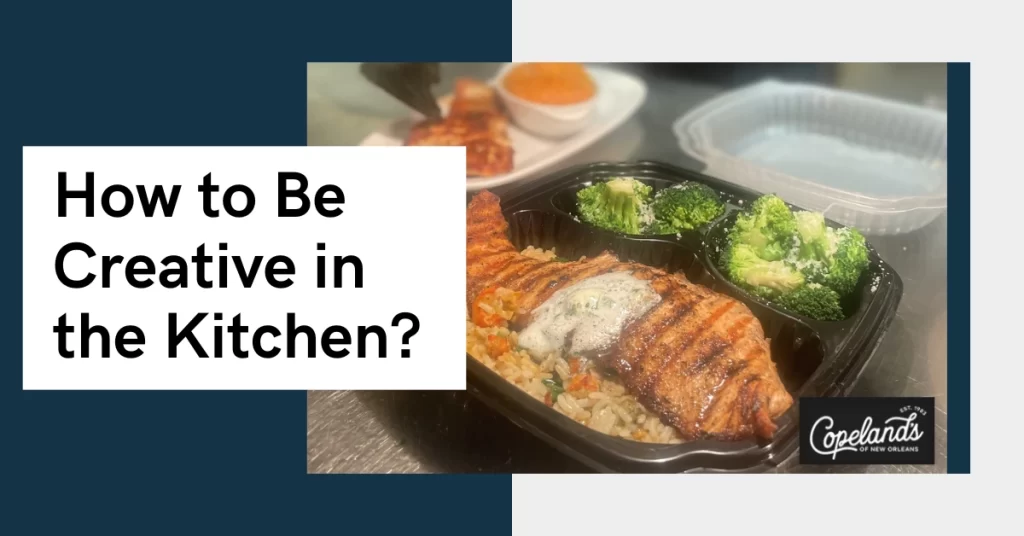
Creativity in the kitchen isn’t limited to professional chefs or culinary students. Anyone can cook creatively—whether preparing a quick weeknight meal or experimenting with a more elaborate dish for guests. Creativity comes from curiosity, confidence, and a willingness to try new things, even if the results aren’t perfect. The kitchen is one of the few places where imagination, comfort, and tradition come together naturally.
Whether you’re a seasoned home cook or someone learning to move beyond basic recipes, exploring creative techniques can make cooking more enjoyable and more rewarding. Dining at a favorite restaurant in Jacksonville also inspires creativity, especially when you experience how chefs reimagine classic flavors or elevate everyday ingredients.
Below, we explore five ways to become more creative in the kitchen—each rooted in accessible habits anyone can use.
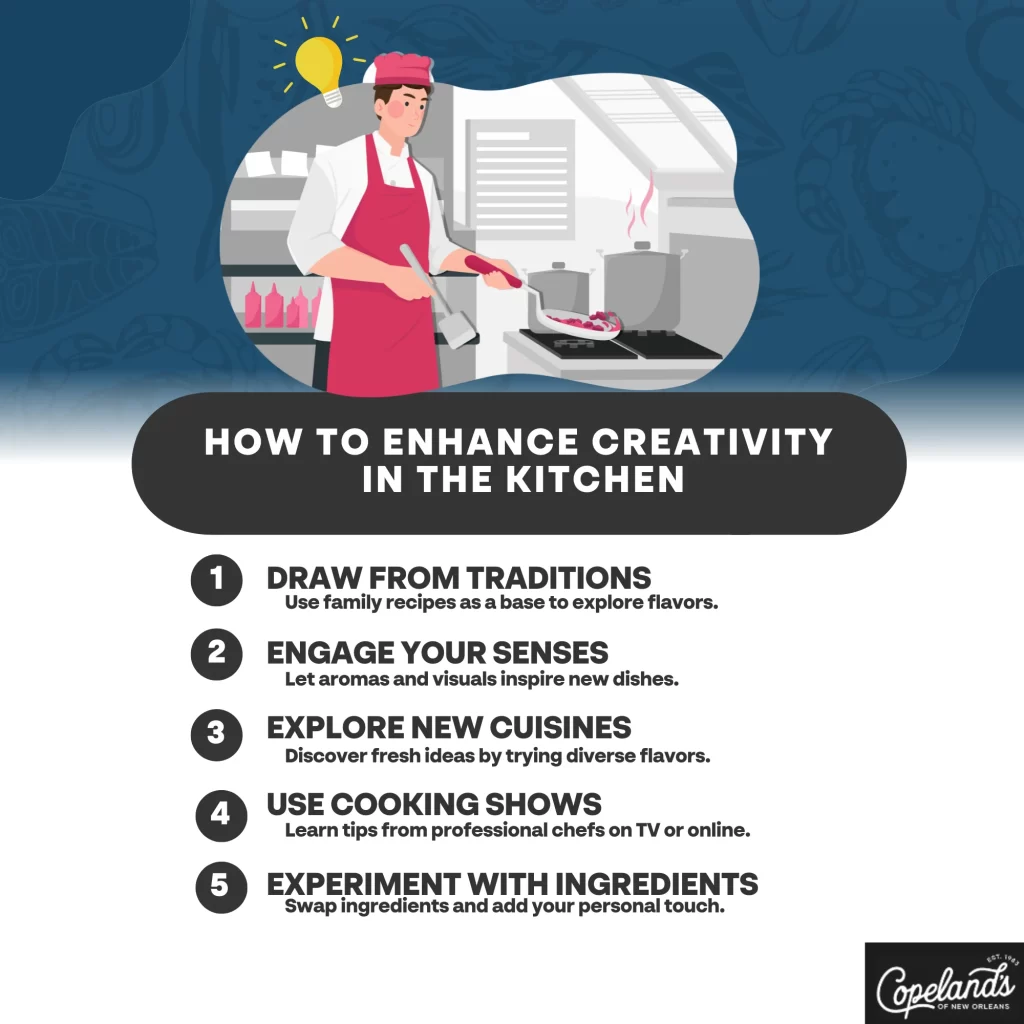
Draw from Traditions
Tradition is one of the richest sources of kitchen creativity. Long before modern cookbooks and cooking shows existed, families passed down recipes through experience and storytelling. These recipes often evolved over generations based on available ingredients, cultural influences, and personal taste.
Drawing from tradition helps you build a foundation of flavors and techniques. Think about the meals you grew up eating—soups, stews, casseroles, holiday dishes. What spices were used? What textures or aromas do you remember? Starting with familiar dishes makes it easier to experiment confidently.
For example, consider a family gumbo recipe. You might add a new vegetable, swap proteins, or experiment with different levels of spice. Or maybe you take a traditional pasta dish and incorporate Cajun seasoning for a Southern twist. Tradition doesn’t limit creativity—it guides it.
When you explore a restaurant’s menu, like the one at Copeland’s, you’ll often find traditional dishes reimagined with regional or modern flavors. Browsing the Menu may spark ideas for how to reinvent your own family favorites.
Engage Your Senses
Cooking is one of the most sensory experiences we take part in every day. Engaging your senses is a powerful way to build creativity in the kitchen because it encourages you to experience food more thoughtfully.
Sight, smell, taste, touch, and even sound all influence how we cook:
• Smell helps you balance seasonings or detect when something is ready.
• Sight helps you judge color and doneness.
• Touch lets you know if the dough needs more kneading or if the meat is properly rested.
• Taste guides adjustments throughout the cooking process.
• Sound—like a gentle sizzle—can signal whether a pan is too hot or just right.
When you rely on your senses instead of only measurements, you gain confidence and flexibility. Recipes become guidelines rather than strict instructions. Soon you’ll find yourself making subtle tweaks—adding lemon to brighten a dish, adjusting a spice blend, or cooking a sauce slightly longer to thicken it.
Sensory awareness also makes cooking more enjoyable. It slows you down and allows you to appreciate the process, not just the final result.
Explore New Cuisines
One of the easiest ways to unlock kitchen creativity is by exploring new cuisines. Trying dishes from different cultures introduces new ingredients, techniques, spices, and combinations you may not have considered before.
For example:
• Cajun cuisine introduces smoky flavors, aromatic herbs, and bold seasoning.
• Mediterranean dishes highlight fresh vegetables, olive oil, and bright citrus.
• Asian cuisines showcase umami, balance, and the art of stir-frying or steaming.
• Latin American flavors offer chiles, cilantro, and rich sauces.
Each cuisine expands your understanding of flavor and gives you ideas for your own cooking. You might mix Cajun spices with Italian pasta or combine Asian marinades with classic Southern proteins.
This blending of culinary traditions is part of why modern cooking feels so dynamic and personal. And when you try dishes in person—in places like Jacksonville, FL—you experience firsthand how restaurants celebrate regional and international flavors.
For more inspiration, the article on Copeland’s weekend brunch highlights how familiar dishes can take on new meaning when paired with creative flavor combinations.
People Also Ask: How do I become more creative when cooking?
Start with small changes—add new spices, try different cooking methods, or explore cuisines outside your comfort zone. Creativity grows when you experiment, trust your senses, and stay open to learning.
Use Cooking Shows
Cooking shows have become one of the most accessible sources of culinary inspiration. From competition-based programs to long-form tutorials, these shows expose viewers to diverse ingredients, innovative plating ideas, and techniques used by professionals.
Cooking shows encourage creativity in several ways:
• They break down complex techniques into simple steps.
• They demonstrate how flavor profiles work together.
• They inspire you to try dishes you may not have considered.
• They show how to use pantry staples in fresh, new ways.
Even if you never attempt the exact dishes you see on television, the ideas stick with you. You might borrow a flavor pairing, try a new marinade, or experiment with different cooking methods like roasting or slow-cooking.
Cooking shows also help you build confidence. When you see experts troubleshoot mistakes or adapt recipes on the fly, you realize creativity doesn’t require perfection.
Experiment with Ingredients
Experimentation is at the heart of creative cooking. When you experiment with ingredients—whether by taste, texture, or substitution—you learn what works and what doesn’t. Over time, you’ll develop an instinct for building flavor.
Start small:
• Add one new spice to a familiar dish.
• Try swapping proteins or vegetables.
• Test different cooking methods for the same ingredient—roasted, grilled, steamed, or stir-fried.
• Combine sweet and savory elements like honey and herbs or fruit and spice.
Experimentation also reduces food waste because it encourages you to repurpose leftovers. Yesterday’s roasted vegetables can become today’s soup or omelet filling. Leftover chicken can be turned into a creamy pasta dish or Cajun-seasoned tacos.
As you experiment, you’ll get better at identifying what dishes need—acidity, richness, freshness, or heat. This intuitive approach transforms cooking from a chore into a creative outlet.
Conclusion
Creativity in the kitchen isn’t about having professional training—it’s about curiosity, confidence, and the willingness to try something new. When you draw from traditions, engage your senses, explore global cuisines, use cooking shows for inspiration, and experiment with ingredients, you naturally become a more intuitive and creative cook.
Dining at a restaurant in Jacksonville can also push your creativity further, especially when you explore new flavors and techniques that you can recreate or adapt at home.
Cooking becomes more enjoyable when you allow yourself freedom to explore—mixing flavors, testing methods, and embracing both successes and surprises. With time, creativity becomes second nature, and the kitchen transforms into a place where ideas come alive.


