
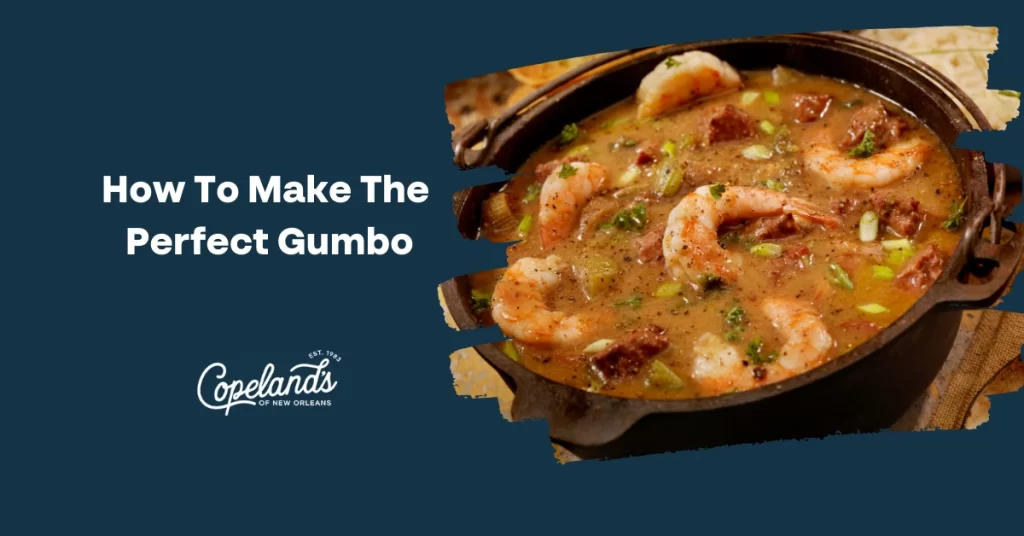
Gumbo is one of Louisiana’s most iconic dishes—rich, hearty, full of character, and built on traditions passed down through generations. Few meals capture the history and spirit of Cajun and Creole cooking the way gumbo does. Its layers of flavor, slow-cooked depth, and warm, satisfying texture make it a dish that brings people together at family tables, celebrations, and gatherings of all kinds.
While gumbo may look complex, its magic comes from simple principles: patience, good ingredients, and time-honored techniques. Whether you’re a seasoned home cook or trying gumbo for the first time, understanding how these elements work together will help you make a pot that’s comforting, flavorful, and unmistakably authentic. At Copeland’s Jacksonville, gumbo has long been a guest favorite, cherished for its bold seasoning and rich Louisiana roots.
Below, we break down the essential steps and techniques behind crafting the perfect gumbo—along with insights on ingredients, flavor building, and traditional Cajun methods.
Start with a Strong Foundation
Every great gumbo begins with three components: the roux, the vegetables, and the stock. These ingredients form the backbone of the dish, setting the tone for flavor, color, and texture.
The roux is arguably the most important element. Made by cooking equal parts fat and flour, the roux requires constant stirring and careful attention. The darker the roux, the richer and deeper the flavor. A blonde roux is light and slightly nutty, while a chocolate-colored roux brings an earthy complexity that defines many traditional Cajun gumbos.
Next comes the “holy trinity” of vegetables: onions, celery, and bell peppers. Sautéing these vegetables in the roux releases their natural sweetness and builds aromatic depth. When cooked properly, they help create a smooth, cohesive base for the gumbo.
Finally, a well-seasoned stock ties everything together. Seafood gumbo often uses shrimp or crab stock, while chicken and sausage gumbo relies on poultry stock. Using high-quality ingredients makes a noticeable difference in the final flavor.
Choose Your Proteins Carefully
One of the joys of gumbo is its versatility. Families throughout Louisiana have long customized their recipes using what was available—seafood from nearby waters, chicken from the farm, or smoked sausage from local butchers. Today, home cooks often choose:
• Chicken and Andouille
• Shrimp and crab
• Sausage and turkey
• Or a combination of proteins for a richer flavor profile
No matter what you choose, proper browning is key. Searing chicken or sausage before adding them to the pot enhances both texture and flavor. For seafood gumbos, adding shrimp or crab near the end of the cooking process keeps them tender and prevents overcooking.
A delicious gumbo balances spice, seasoning, and texture, allowing the proteins to shine without overpowering the dish.
Layer Your Flavors
The hallmark of perfect gumbo is depth—layers of flavor that develop slowly as the pot simmers. Seasoning plays a big role here. Traditional Cajun seasoning blends include paprika, garlic powder, onion powder, black pepper, oregano, and thyme. These spices work together to create warmth and complexity.
Allowing the gumbo to simmer gently helps ingredients meld and deepen in flavor. Many gumbo cooks believe the dish tastes even better the next day because the spices have more time to marry.
Some cooks enhance their gumbo with additional ingredients such as okra or filé powder. Okra thickens the stew naturally, while filé, made from ground sassafras leaves, adds a distinctive herbal note often used in Creole cooking.
If you’re looking to explore similar Louisiana flavors, the Menu at Copeland’s highlights several dishes inspired by this same rich culinary tradition.
Practice Patience and Proper Technique
Good gumbo takes time. While shortcuts may exist, traditional gumbo rewards cooks who are willing to be patient. Creating a dark roux requires slow, steady stirring. Developing a flavorful broth takes gentle simmering. Even the final resting time—allowing the gumbo to settle before serving—improves flavor and texture.
Many home cooks find gumbo enjoyable specifically because it’s a dish that invites process, rhythm, and attention. Each step builds upon the last, and while none are especially complicated, they require consistency.
Another important technique involves skimming the surface during simmering. Removing excess fat or foam creates a cleaner, smoother gumbo. Small steps like this help give the dish a polished finish.
For a deeper look at Southern cooking traditions, the blog on Copeland’s weekend brunch explores additional flavors and dishes that celebrate Southern heritage and comfort.
People Also Ask: Is gumbo better with okra or filé?
Both are traditional and flavorful—okra gives gumbo natural thickness and a subtle earthy flavor, while filé adds body and a distinct herbal note. Many cooks use one or the other, and some use both depending on the recipe and regional style.
Serve Gumbo the Traditional Way
Serving gumbo is just as important as preparing it. Traditionally, gumbo is ladled over warm white rice, which helps balance the stew’s bold flavors. The rice soaks up the broth, creating a hearty, satisfying texture in each bite.
A sprinkle of green onions adds freshness, while a side of crusty bread or cornbread enhances the meal even further. Some families serve potato salad alongside gumbo—a practice common in certain parts of Louisiana.
When serving gumbo for gatherings or holidays, double-batching is a smart choice. Gumbo holds up well and reheats beautifully, making it ideal for feeding a crowd. In cities like Jacksonville, FL where family gatherings and celebrations are a big part of community life, gumbo remains a popular choice for group dining and special occasions.
Conclusion
Making the perfect gumbo requires time, care, and a willingness to embrace the traditions that shaped this beloved Louisiana dish. From crafting a rich roux to layering bold spices and simmering ingredients slowly, every step contributes to gumbo’s unmistakable depth and flavor.
Whether you’re preparing gumbo for the first time or continuing a cherished family tradition, the process offers comfort, creativity, and connection. And when you’re craving expertly prepared Cajun dishes without the cooking effort, you can always enjoy the flavors of Copeland’s Jacksonville, where authentic Louisiana recipes are at the heart of every meal.


