

Cajun spices are bold, spirited, and unmistakably vibrant. They carry the warmth of Louisiana’s culinary roots and the rhythm of generations who mastered blending flavor, heat, and aroma into everyday cooking. Whether you’ve enjoyed Cajun dishes for years or are discovering them for the first time, it’s easy to appreciate how these spices transform simple ingredients into memorable meals.
For many guests who visit a restaurant in Jacksonville hoping to experience Cajun-inspired dishes, the magic often lies in the seasoning. Cajun spices are more than just a combination of ingredients—they represent heritage, creativity, and a deep love of flavor. This guide explores what makes Cajun seasoning so distinctive and how its unique qualities make it beloved across different styles of cooking.
Below, we break down the characteristics behind Cajun spices using a simple, engaging approach that highlights their origins, versatility, and flavor-building power.
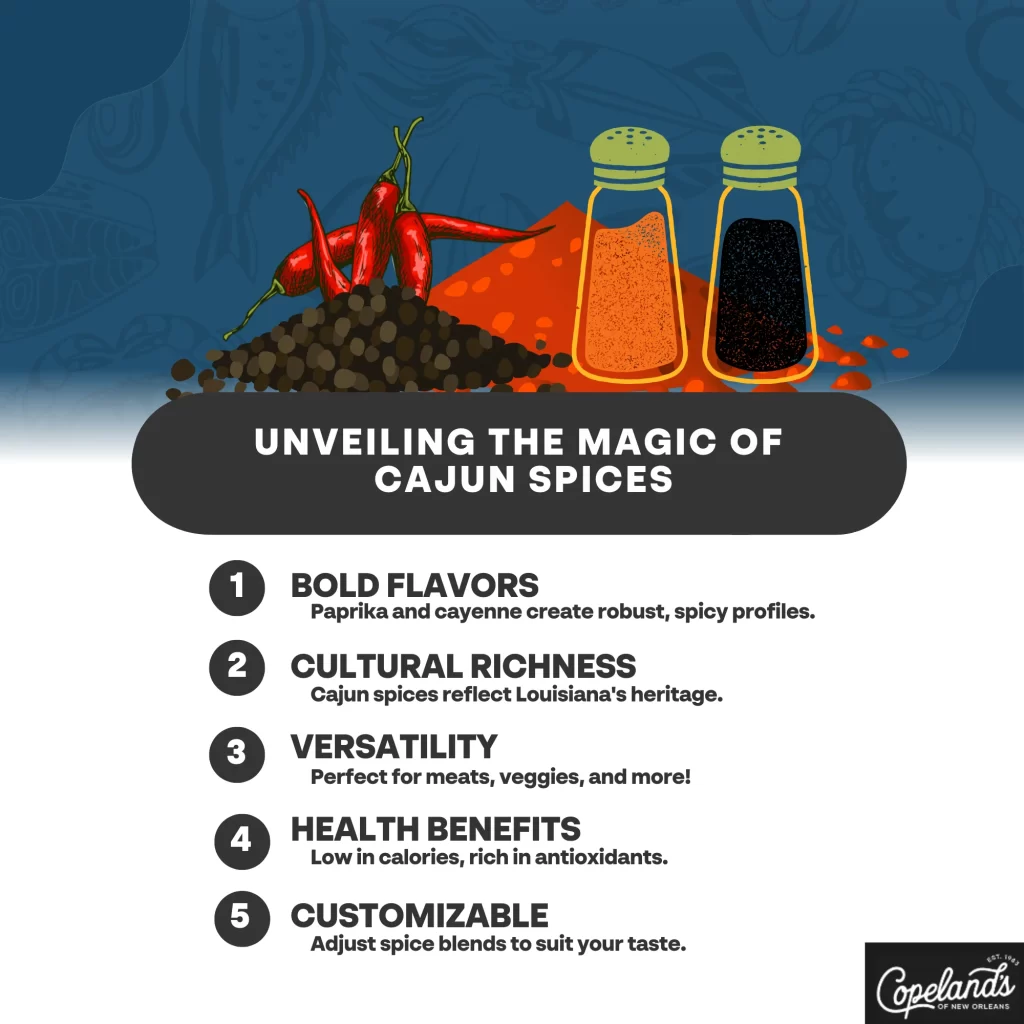
Bold Flavors
Cajun spices are known for their bold, lively flavor profile. While many people associate them primarily with heat, Cajun blends offer far more complexity. They typically include a balanced mix of paprika, garlic powder, onion powder, cayenne pepper, black pepper, oregano, and thyme. Each ingredient contributes something essential, creating layers of flavor rather than overwhelming heat.
The boldness comes from the way these ingredients interact. Paprika adds color and warmth, garlic and onion create depth, cayenne brings the heat, and herbs like thyme and oregano offer brightness. Together, they create a seasoning blend that enhances food without masking its natural characteristics.
This bold flavor is what makes Cajun cooking so memorable. Whether used on seafood, chicken, vegetables, or rice dishes, Cajun spices turn everyday ingredients into something exciting and deeply satisfying.
People Also Ask: Are Cajun spices always spicy?
Not always. While many Cajun blends include cayenne or other peppers, the heat level varies widely. Some versions are mild and focus more on savory and herbal notes, while others bring significant heat. Cajun seasoning is designed to be flavorful first—spice is simply one part of that balance.
Cultural Richness
Cajun spices reflect the cultural history of Louisiana, where culinary traditions were shaped by French, African, Spanish, and Native American influences. This blend of cultures created a cuisine rich in technique, creativity, and resourcefulness.
Cajun seasoning evolved from a way of maximizing flavor in simple, accessible ingredients. Early Cajun cooks used spices to season wild game, fish, and vegetables, creating hearty dishes that relied on preserving flavor and making meals stretch for large families.
Today, the cultural richness behind Cajun seasoning remains a central part of its appeal. Each dish seasoned with Cajun spices reconnects diners with heritage—stories of migration, adaptation, and celebration. Cajun food is communal by nature, meant to be enjoyed with others, whether at home, at gatherings, or during special events.
That sense of cultural pride is also reflected in many of the dishes featured at Copeland’s, and can be further explored through related Southern favorites highlighted in 10 must-try Southern comfort dishes for every food lover.
Versatility
One of the things that makes Cajun seasoning so beloved is its remarkable versatility. It can be used as a dry rub, mixed into marinades, sprinkled on vegetables, or incorporated into soups, stews, and rice dishes. Few spice blends transition as easily between different proteins and cooking methods.
Cajun spices pair beautifully with shrimp, fish, chicken, pork, and even beef. They enhance roasted vegetables, add flavor to breakfast dishes, and transform simple rice into something vibrant and hearty. This flexibility is why Cajun seasoning has become popular in kitchens far beyond Louisiana.
Cajun seasoning also works well in creamy dishes, adding contrast and balancing richness. From pastas to seafood creations, the combination of savory herbs and warm spice creates harmony across a wide range of recipes.
If you’re curious about where many of these flavors appear across Copeland’s offerings, browsing the Menu can help you see the variety of dishes that use Cajun seasoning as either a highlight or an understated complement.
Health Benefits
Beyond flavor, Cajun spices offer several health benefits. Many of the herbs and spices used in Cajun blends are rich in antioxidants, which help protect the body from inflammation and support overall wellness. Paprika, for example, contains vitamins A and E, while garlic and onion powders are known for their natural immune-supporting properties.
Cayenne pepper, a key component of many Cajun blends, may help boost metabolism and support circulation. Herbs like oregano and thyme have natural antimicrobial properties and add depth of flavor without the need for excessive salt or fat.
For those trying to make healthier choices without sacrificing taste, Cajun seasoning offers a flavorful way to elevate meals. It enhances food without adding sugars, heavy sauces, or artificial ingredients. This makes it the perfect choice when preparing nutritious, satisfying dishes at home or enjoying well-balanced meals at restaurants.
Of course, the true health benefit also comes from using fresh, high-quality ingredients—a value highlighted in many of Copeland’s dishes and explored in detail in the related blog on Cajun cooking traditions and preparation methods.
Customizable
Another reason Cajun spices remain popular is how customizable they are. Home cooks and chefs alike can adjust spice levels, emphasize certain herbs, or choose different paprika types to create a blend that fits their personal taste. Cajun seasoning isn’t one-size-fits-all—it’s a flexible approach to seasoning rooted in creativity.
Some may prefer a milder blend with more emphasis on garlic and herbs. Others may enjoy a smoky flavor achieved with smoked paprika. Heat lovers may increase the cayenne or add crushed red pepper. This adaptability is part of what makes Cajun cooking so approachable and welcoming.
Customization extends to how the seasoning is used as well. It can be sprinkled lightly for subtle flavor or used generously for a stronger kick. Its balanced nature means you can experiment without overpowering your dish.
The spirit of Cajun cooking encourages exploration, making it perfect for family recipes, weekly meals, or special celebrations in places like Jacksonville, FL where diners appreciate bold, memorable flavors.
Conclusion
Cajun spices are unique because they carry the history, creativity, and bold flavor that define Louisiana cuisine. From their rich cultural roots to their versatility and customizability, these spices transform ordinary dishes into something extraordinary. Whether you’re seasoning seafood, enhancing vegetables, or exploring new recipes, Cajun spices offer a vibrant, flavorful experience rooted in tradition.
As you explore Cajun-inspired dishes at your favorite restaurant in Jacksonville, you’ll find these spices used thoughtfully to create balance, depth, and warmth. Their boldness is never overwhelming—instead, it elevates each ingredient and brings people together through shared flavor experiences.


