
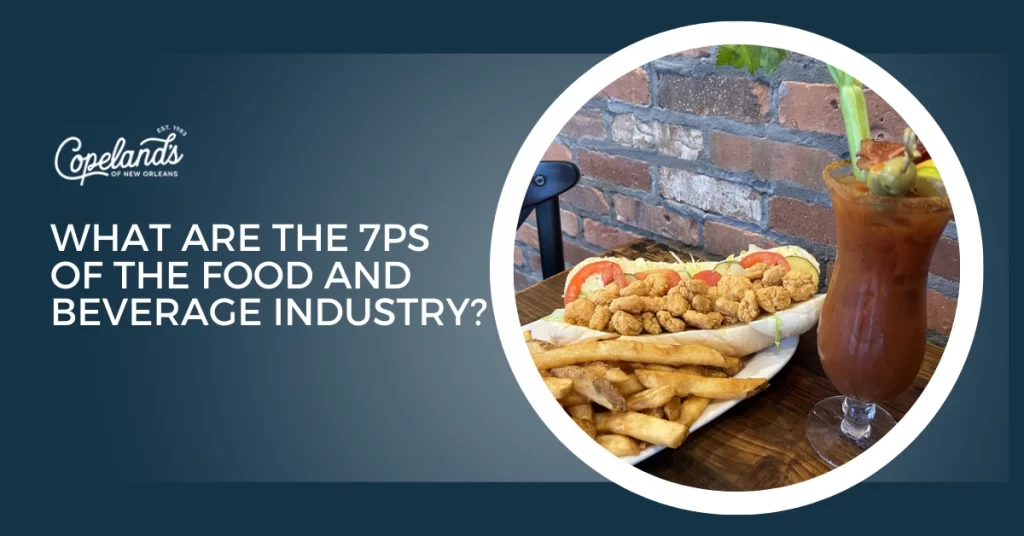
The food and beverage industry is more dynamic than ever, shaped by shifting customer expectations, evolving trends, and new ways of dining. From casual family restaurants to upscale dining rooms, every establishment depends on strategic planning to deliver memorable experiences. One of the most effective frameworks for understanding how restaurants succeed is the “7Ps”—a set of principles used to guide service, marketing, and operations.
These elements help restaurants remain competitive while also ensuring consistent quality. At places like Copeland’s Jacksonville, you can often see the 7Ps in action without even realizing it, from the carefully curated menu to the level of hospitality offered by the staff.
Below, we explore five of the core Ps—Product, Price, Place, Promotion, and People—to illustrate how they contribute to a strong foundation in the food and beverage world.
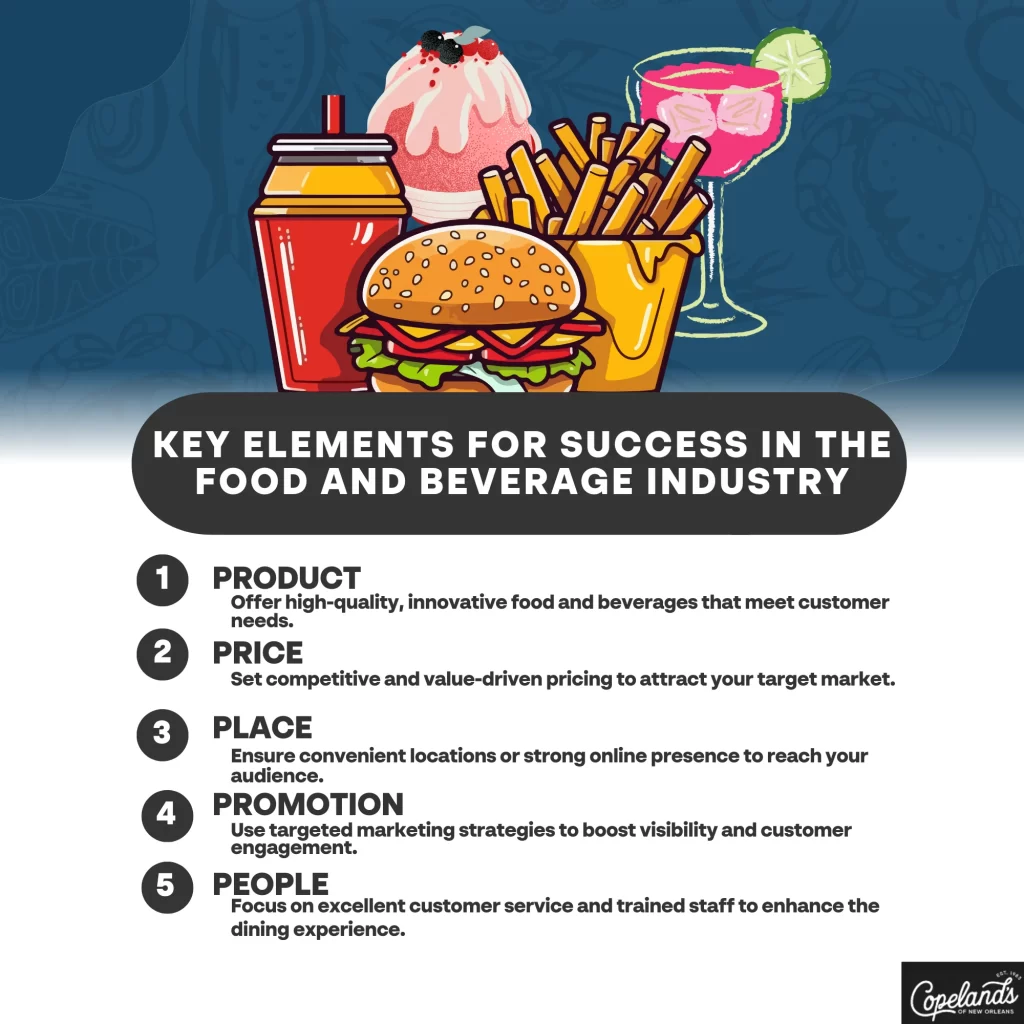
Product
The cornerstone of any restaurant is its product—the food, beverages, and overall dining experience it offers. A great product starts with quality ingredients. Freshness, flavor, and consistency form the base of every memorable meal. This is why customers often return to restaurants where they know the flavors will remain consistent, whether they’re ordering a signature entrée, a comforting side dish, or a house-made dessert.
A strong product also includes menu diversity. Guests enjoy having choices, whether they prefer something indulgent, familiar, bold, or adventurous. Restaurants must strike a balance between honoring their identity and offering new dishes that keep the menu exciting.
Presentation is another essential part of the product. A well-plated dish doesn’t just look appealing—it also reflects care and craftsmanship. Even the shape of a plate, the placement of a garnish, or the styling of a beverage can influence the overall perception of quality.
If you’d like to see how a balanced product offering looks in practice, browsing the Menu offers a blend of comfort classics, Southern-inspired meals, and Cajun flavors that show how thoughtful menu development keeps guests interested.
Price
Price is more than just a number—it’s a reflection of value. In the food and beverage industry, pricing must consider ingredient quality, preparation effort, labor costs, and the dining experience as a whole. A well-priced menu item feels worth it to the customer, offering flavor, portion size, and enjoyment that match or exceed the cost.
Competitive pricing doesn’t necessarily mean being the cheapest. Instead, successful restaurants focus on the relationship between price and perceived value. A beautifully prepared entrée with high-quality ingredients may command a higher price if it delivers a satisfying and memorable experience.
Price also informs customer expectations. A casual café sets different pricing standards than a fine-dining establishment. Creating harmony between pricing and experience helps customers feel confident in their choices and encourages them to return.
Seasonal pricing adjustments, lunch specials, and holiday menus are other ways restaurants maintain thoughtful pricing strategies. Understanding when and how to adjust these offerings helps restaurants remain accessible while still providing quality.
Place
“Place” refers to the environment where the dining experience happens—but it goes beyond the physical space. It also includes location, accessibility, ambiance, and the overall flow of service.
A welcoming environment has a major impact on guest satisfaction. Lighting, seating comfort, cleanliness, and décor all create first impressions that shape the experience. Even subtle details like music volume or table spacing help guests feel relaxed and engaged.
Location matters as well. Restaurants in areas with strong tourism, such as Jacksonville, FL, benefit from visibility but must also create an atmosphere that draws both visitors and locals. Convenience, parking availability, and safety all influence a customer’s decision to dine.
The operational side of “place” includes efficient layout design—where servers move easily, how the kitchen connects to the dining room, and how quickly food reaches the table. A well-planned environment creates seamless service and minimizes delays.
Whether dining indoors, on a patio, or ordering curbside pickup, guests want an experience that feels comfortable, organized, and inviting.
Promotion
Promotion is how restaurants communicate their identity and offerings to the public. This includes everything from branding and advertising to specials, events, and digital presence.
Modern promotion often relies heavily on online visibility. Social media, email newsletters, and website updates help restaurants share new menu items, limited-time offers, and special events. Photos play a major role—inviting images of meals or drinks inspire guests to visit or order.
Promotions may also include:
• Seasonal campaigns
• Loyalty programs
• Holiday menus • Special brunches or themed events
• Collaborative experiences with local businesses
Effective promotion reaches the right audience at the right time and motivates them to take action—whether that means booking a reservation, exploring the menu, or attending an event.
For example, the article on Copeland’s weekend brunch gives a behind-the-scenes look at how promotional storytelling can highlight unique offerings while giving guests a feel for the restaurant’s personality.
People Also Ask: Why are the 7Ps important in the food and beverage industry?
The 7Ps create a structured approach to delivering quality experiences. They help restaurants balance service, value, and customer satisfaction while staying competitive and consistent.
People
People are the heart of the food and beverage industry. From culinary teams and servers to managers and hosts, each person contributes to the dining experience in meaningful ways. Exceptional service can turn a first-time visitor into a loyal regular.
Great hospitality stems from:
• Attention to detail
• Warm and welcoming communication
• Product knowledge
• Timely and efficient service
• Empathy and adaptability
Training is essential. Staff members must understand menu items, presentation expectations, safety guidelines, and customer service standards. When teams work well together, operations become smoother and guests feel valued.
People also include the customers themselves. Understanding guest preferences, receiving feedback graciously, and recognizing returning customers help build strong relationships. Many successful restaurants thrive because they treat every guest as a part of their extended community.
At places like Copeland’s Jacksonville, their commitment to hospitality shows how much the “People” element matters. When staff members feel supported and guests feel appreciated, the dining experience becomes memorable for all the right reasons.
Conclusion
The 7Ps of the food and beverage industry—Product, Price, Place, Promotion, People, and the additional components outside the scope of this article—create a powerful framework for understanding what makes restaurants successful. Each element plays a unique role in shaping the dining experience, influencing everything from menu development to staff interactions.
When these principles work together, they help restaurants build trust, maintain quality, and create connections that keep guests returning. Whether you’re enjoying a meal at Copeland’s Jacksonville or exploring your own culinary interests, understanding the 7Ps gives you a deeper appreciation for the craftsmanship behind every plate.


